10 Vegetables That Should Be Part of Your Daily Diet

Oct 7, 2026 | Healthy Eating | 0 comments

Vegetables are an essential part of a balanced diet. They provide important vitamins, minerals, dietary fibre and a variety of beneficial plant compounds. Eating different types and colours of vegetables can help make your meals more nutritious and interesting.

The World Health Organization recommends that people over 10 years of age aim for at least 400 grams of fruits and vegetables per day as part of a healthy diet. WHO also emphasizes variety because different vegetables provide different nutrients.

But with so many vegetables available, which ones should you include in your regular meals?

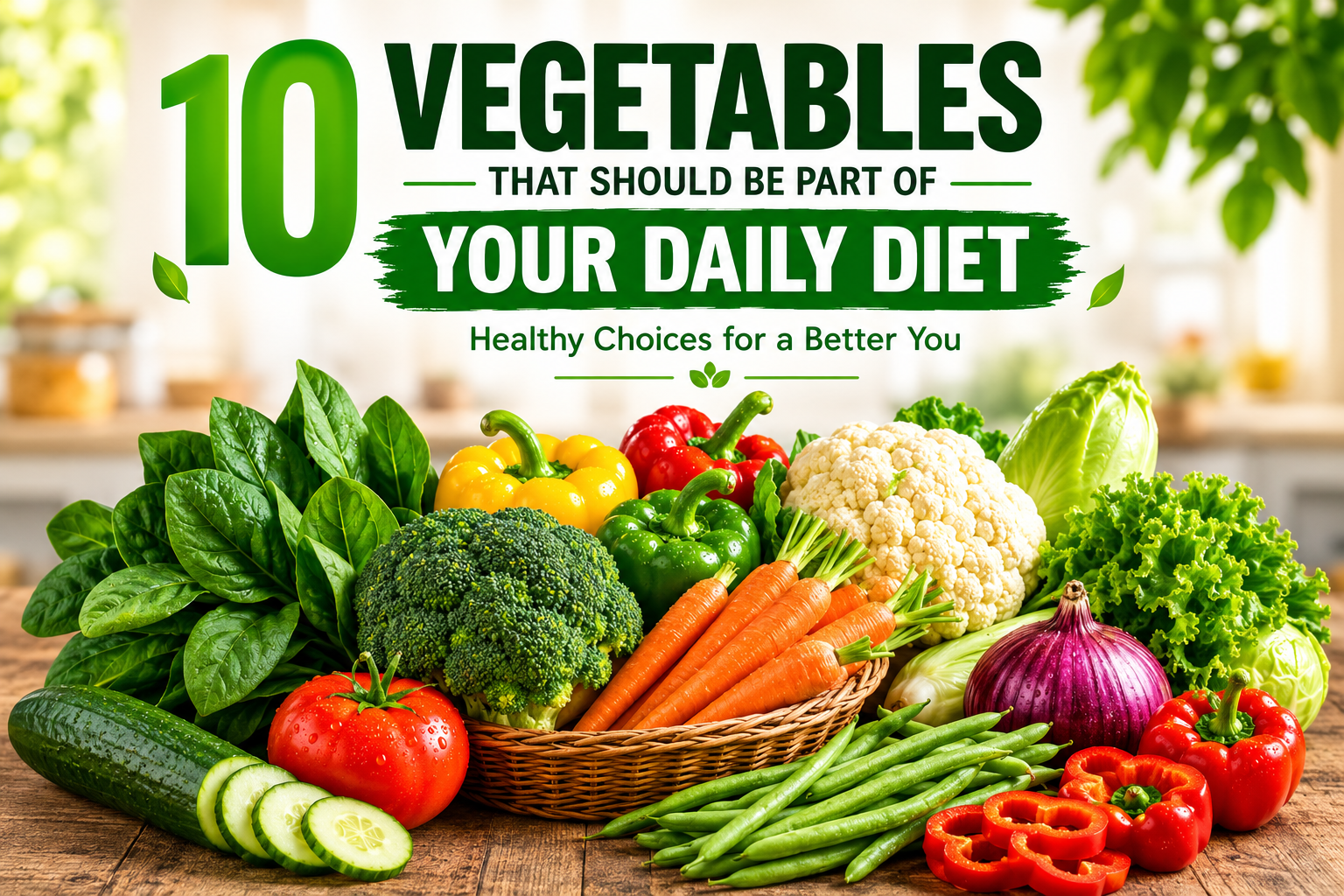
Here are 10 healthy vegetables that are easy to include in an everyday Indian diet.


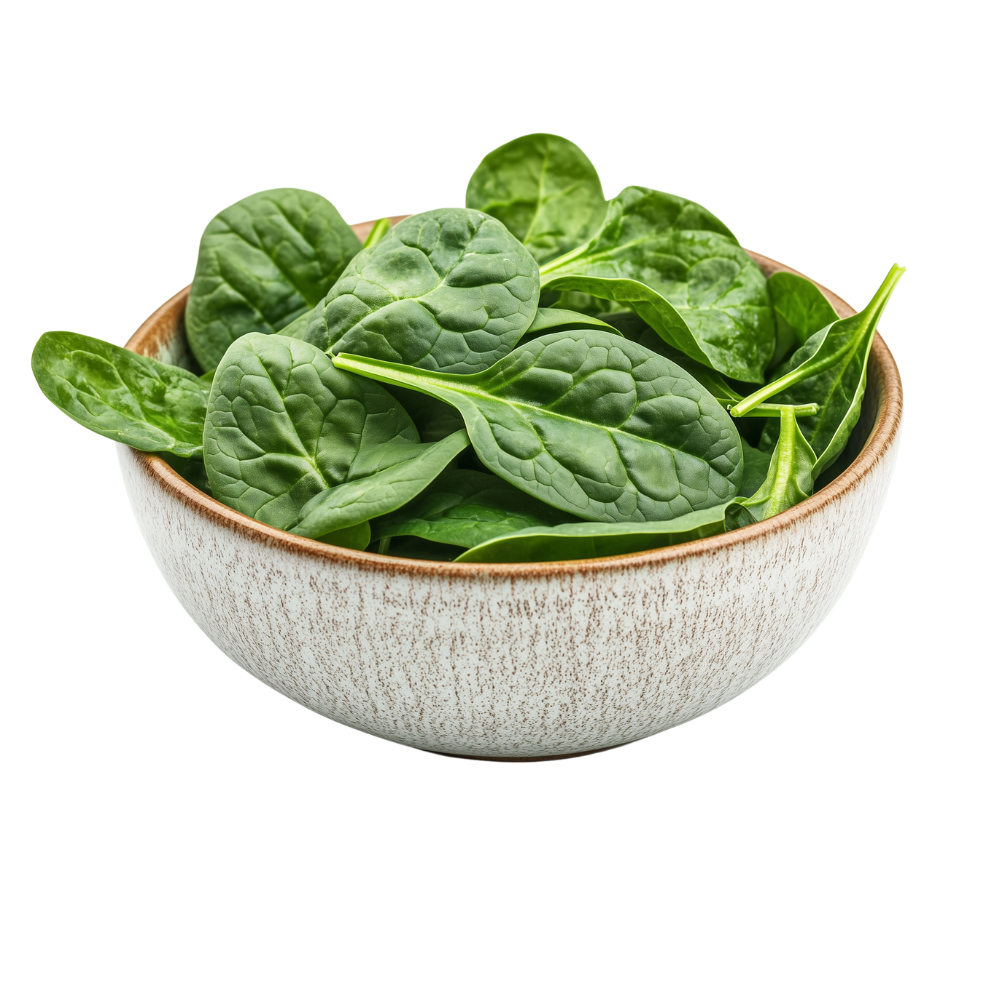
1. Spinach
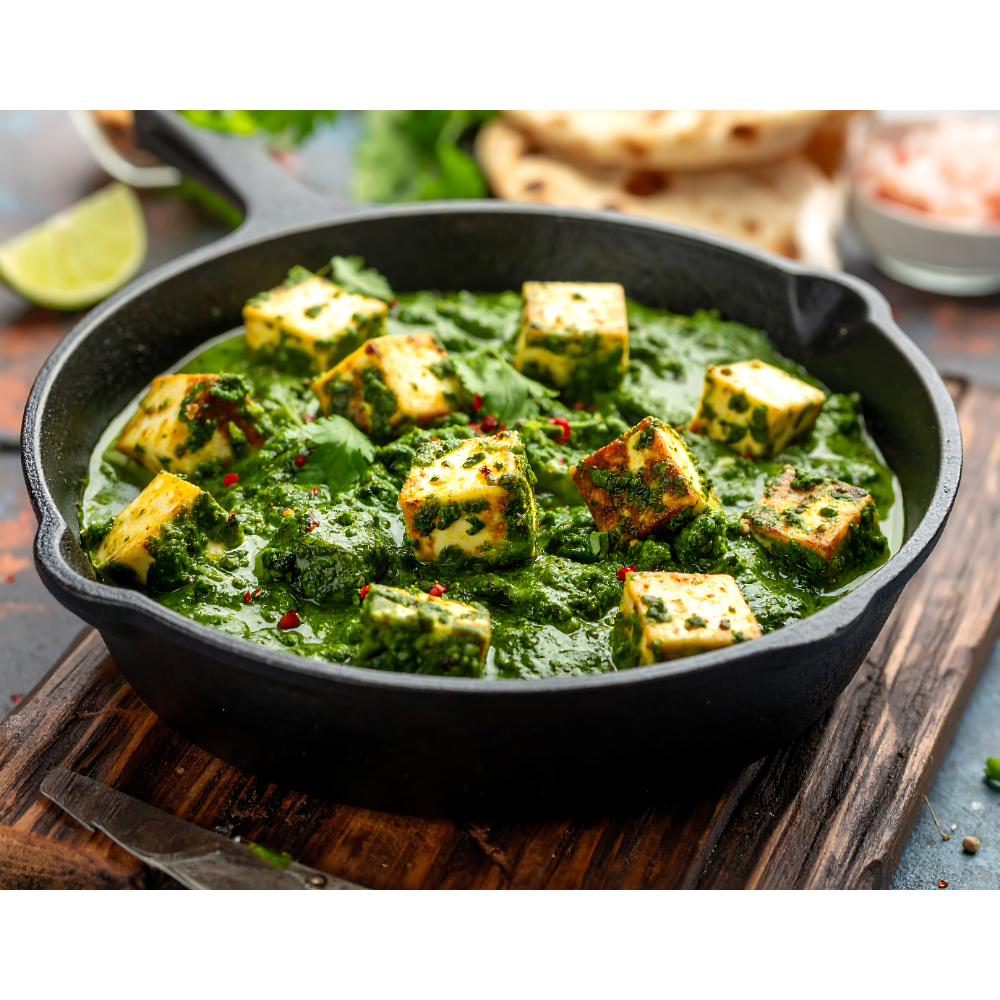
Spinach is a popular leafy vegetable and an excellent addition to a balanced diet. In addition, it provides nutrients including folate, vitamin A, vitamin C and vitamin K, along with dietary fibre.

You can add spinach to:

  • Dal
  • Palak paneer
  • Soups
  • Parathas
  • Smoothies
  • Vegetable curries

Fresh leafy vegetables can also add colour and variety to everyday meals.


2. Carrots

Carrots are known for their bright orange colour and are particularly rich in beta-carotene. Moreover, they are versatile and can be eaten raw, roasted, cooked or added to salads.

Try adding grated carrots to salads or using them in vegetable pulao, soups and mixed vegetable dishes.


3. Tomatoes
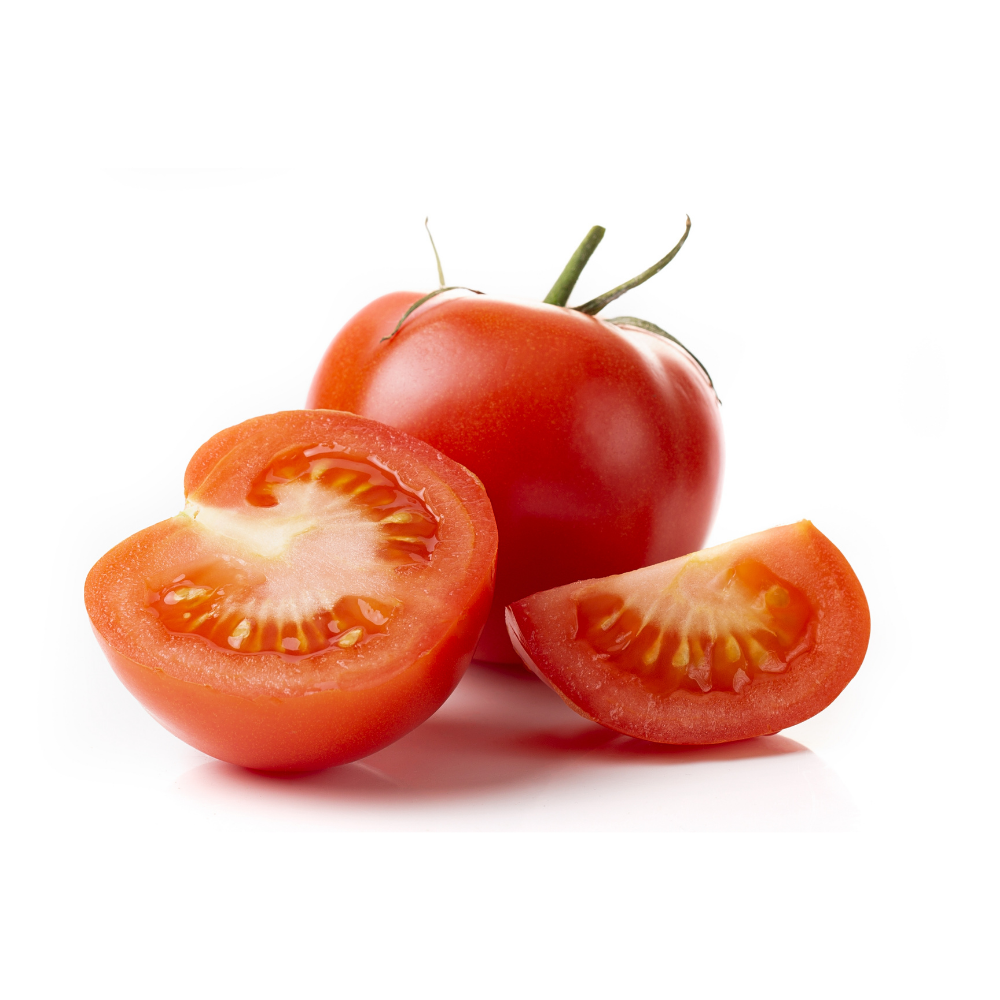
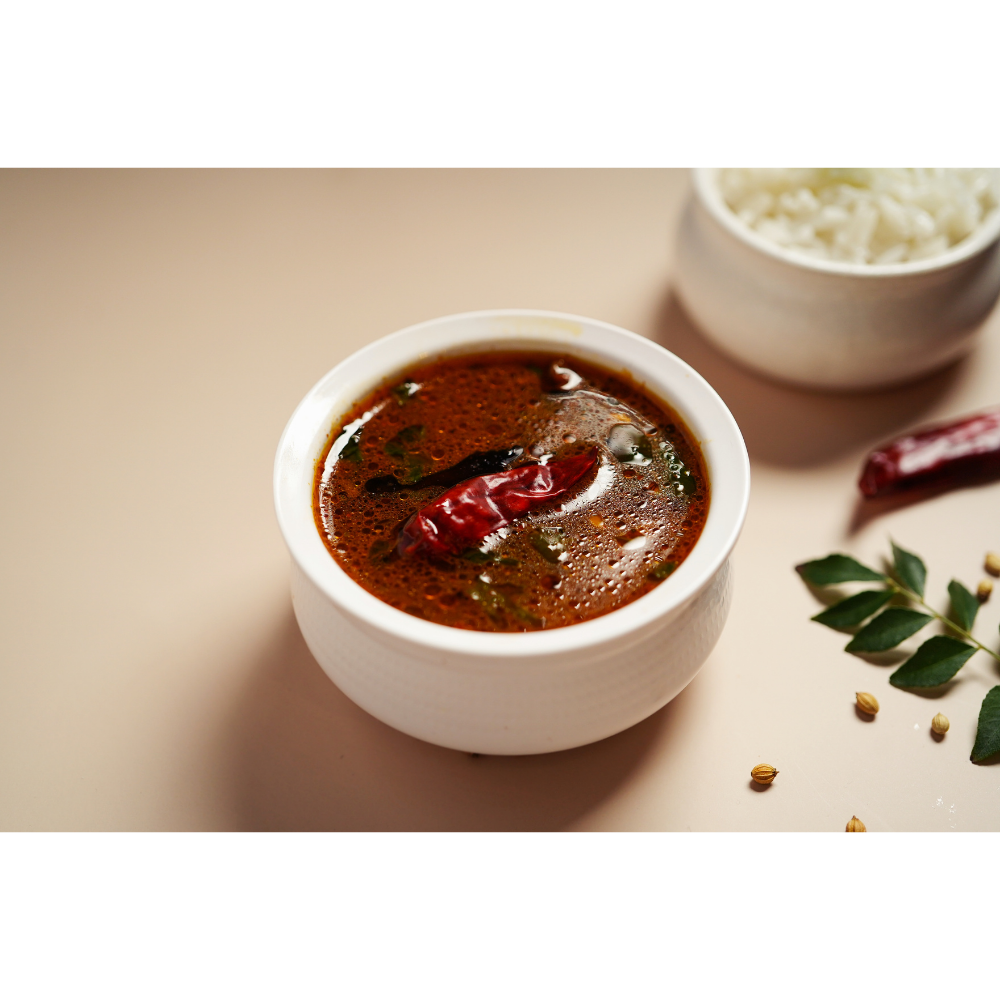
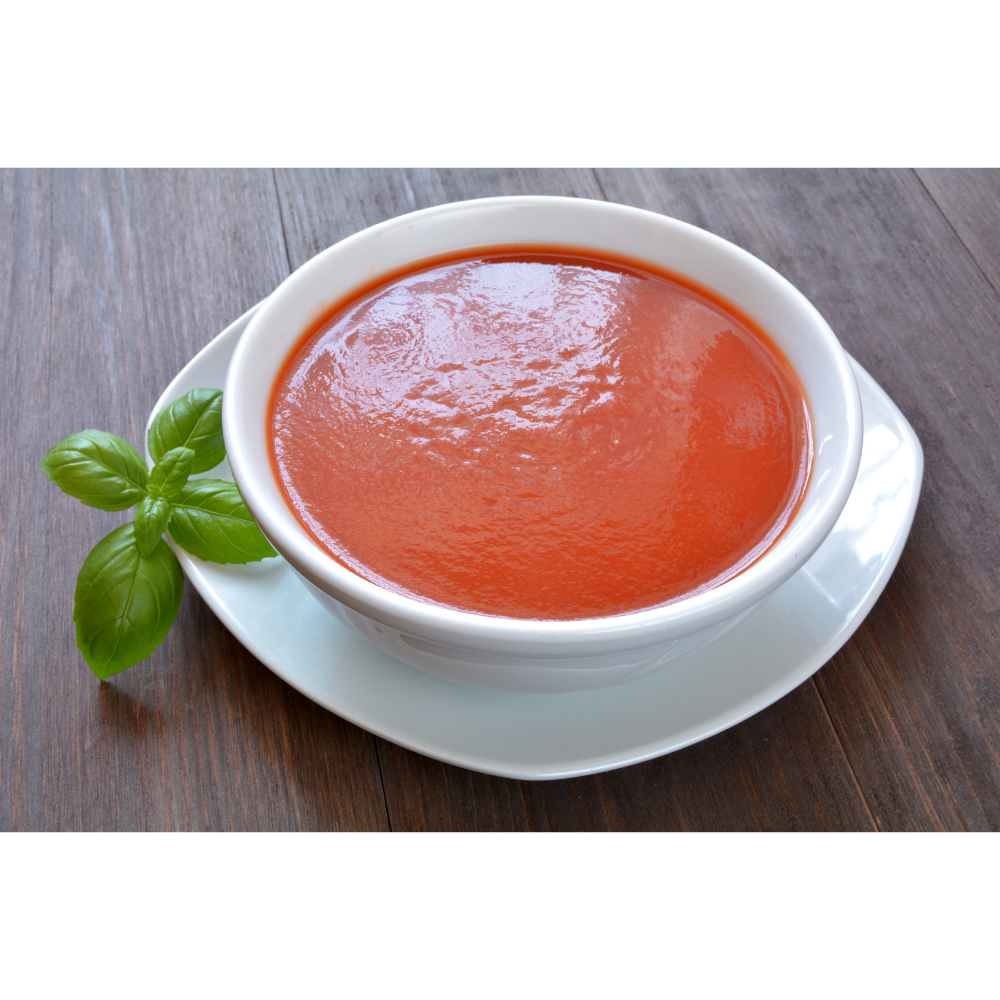
Tomatoes are one of the most commonly used vegetables in Indian kitchens. They also provide vitamin C, potassium and beneficial plant compounds, including lycopene.

Tomatoes can be used in:

  • Curries
  • Soups
  • Chutneys
  • Salads
  • Sandwiches
  • Tomato rice

Because they are used in so many recipes, adding tomatoes to your regular diet is easy.


4. Broccoli
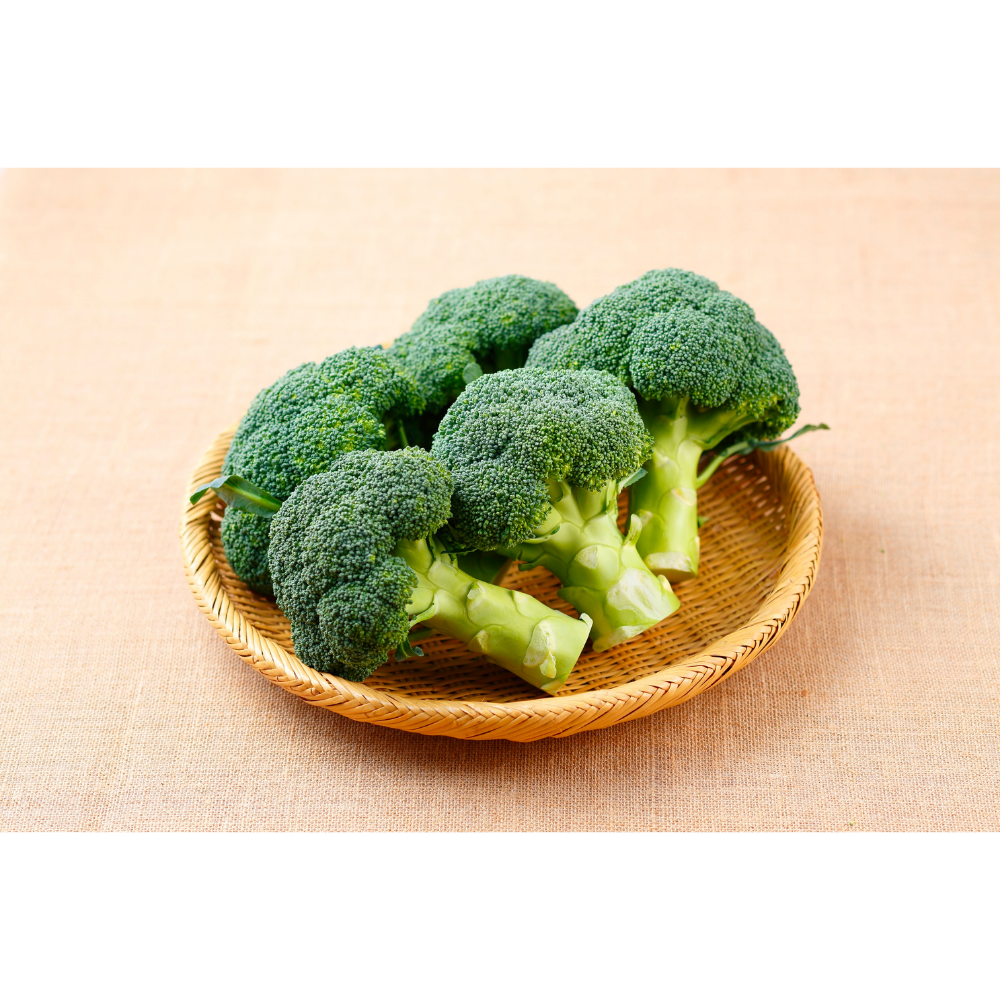
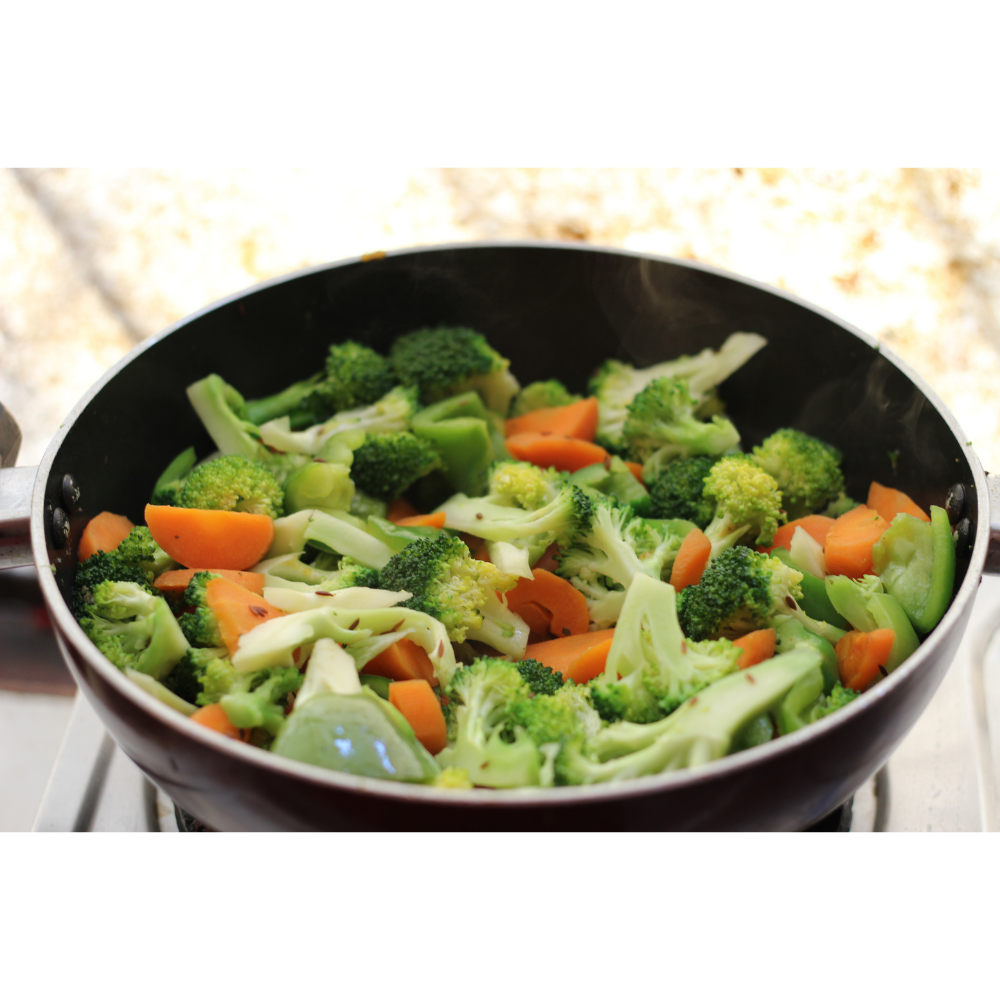
Broccoli is a nutrient-rich vegetable that provides vitamin C, vitamin K, folate and dietary fibre. For example, it can be steamed, roasted or stir-fried.

For a quick meal, combine broccoli with carrots, capsicum and other vegetables.

Avoid overcooking vegetables when possible, as some cooking methods can reduce certain heat-sensitive nutrients.


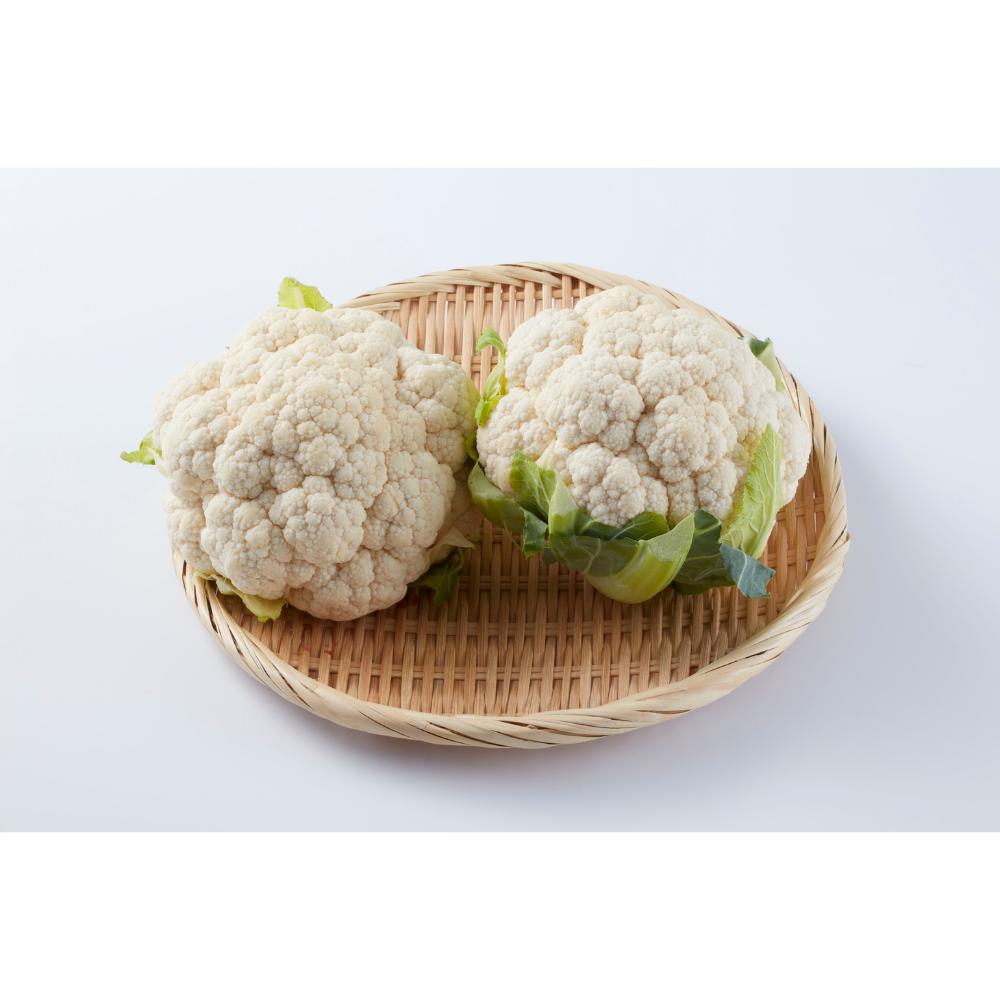
5. Cauliflower

Cauliflower is another versatile vegetable that fits easily into Indian meals. It contains vitamin C, vitamin K, folate and fibre.

You can enjoy cauliflower as:

  • Gobi curry
  • Gobi paratha
  • Roasted cauliflower
  • Vegetable pulao
  • Mixed vegetable curry

Its mild flavour also makes it easy to combine with different spices.


6. Capsicum
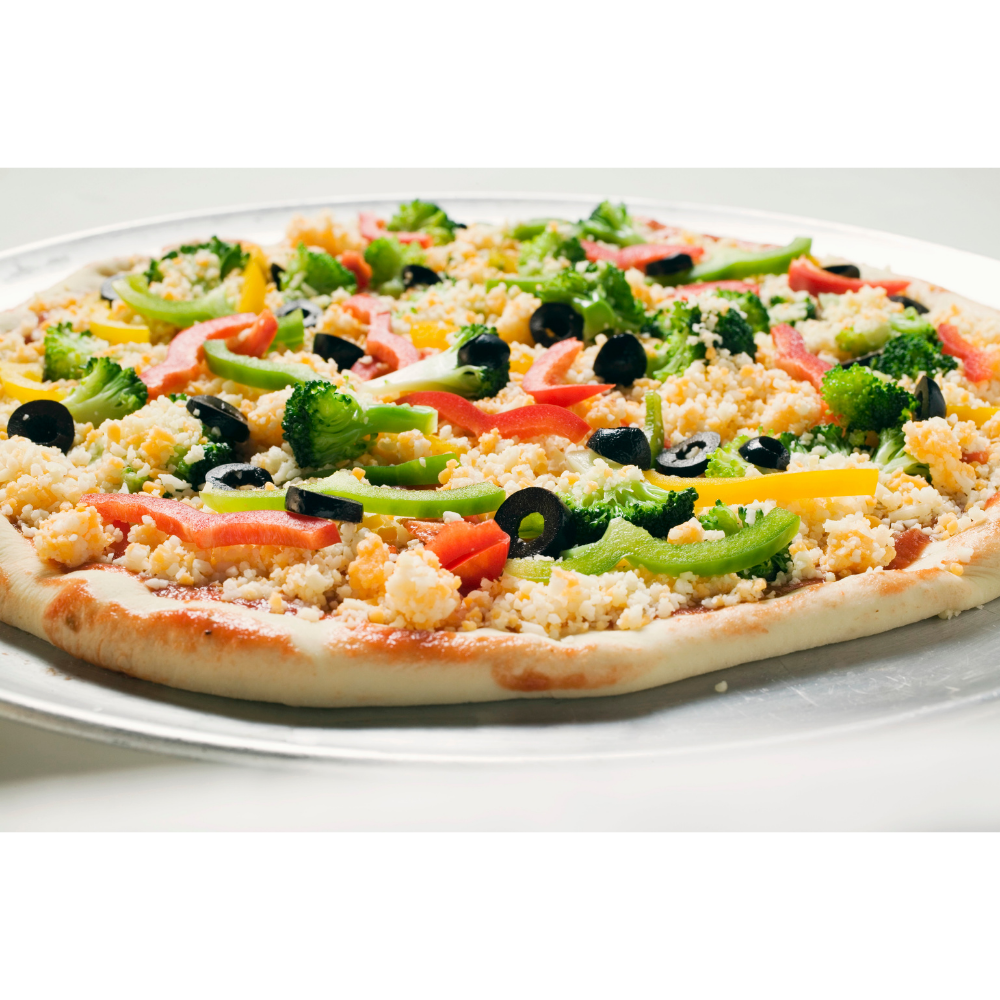
Capsicum adds colour, crunch and flavour to meals. It is also a source of vitamin C and other plant compounds.

Green, red and yellow capsicums can be used in different recipes, including:

  • Stir-fries
  • Fried rice
  • Pizza
  • Sandwiches
  • Salads
  • Vegetable curries

Adding different coloured vegetables to meals is a simple way to increase dietary variety.


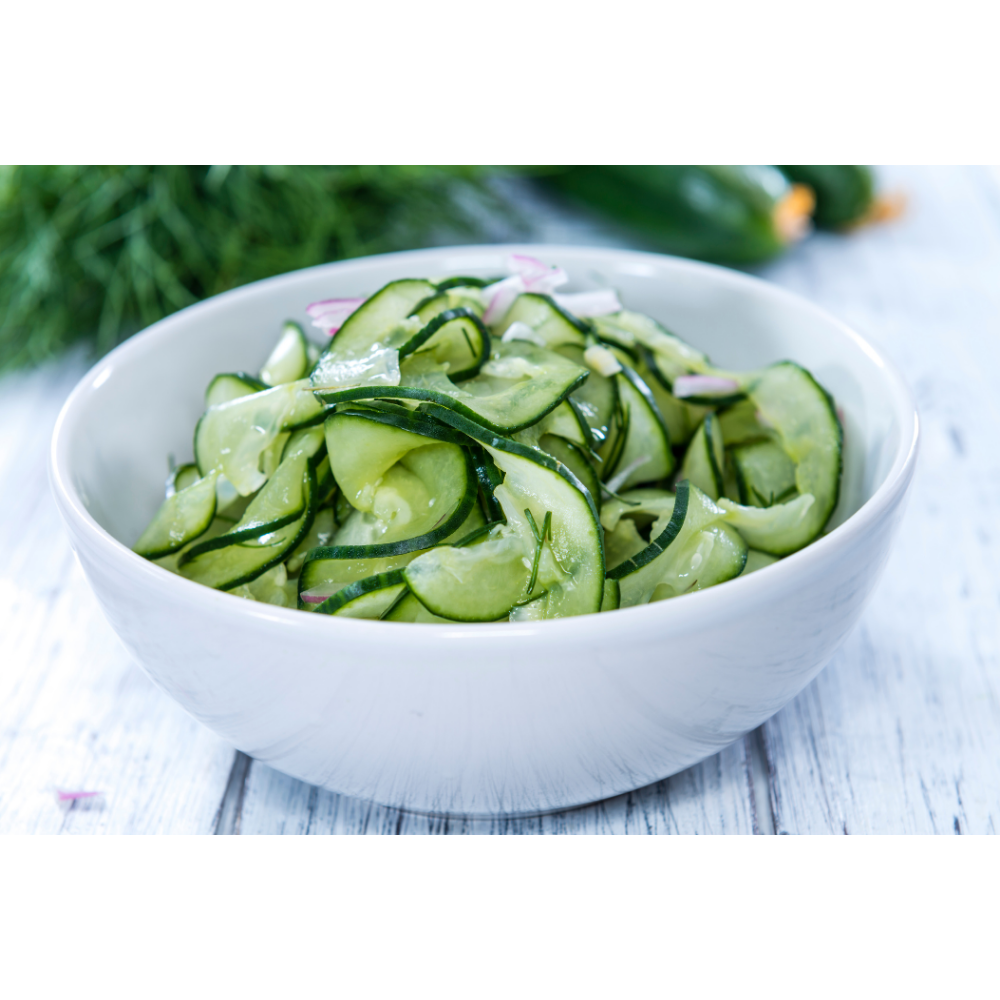
7. Cucumber
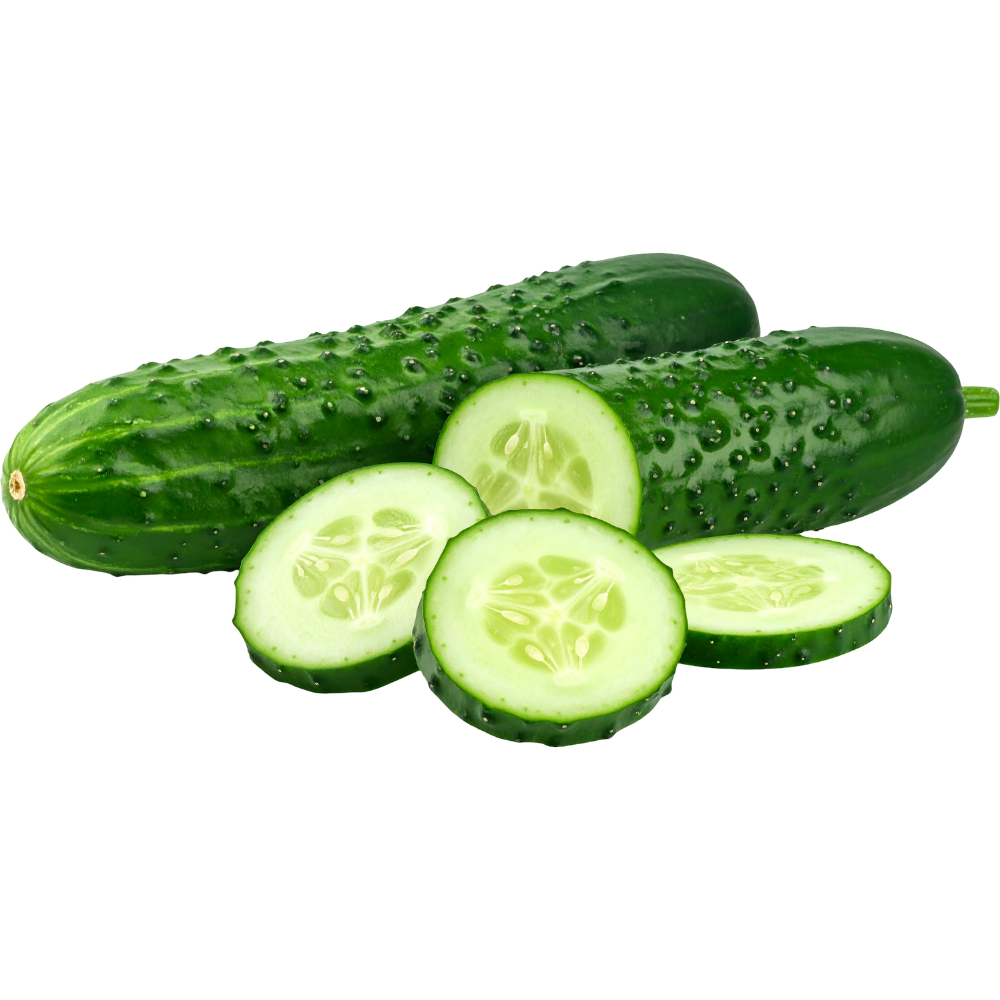
Cucumber is a refreshing vegetable with high water content, making it particularly popular during warmer months.

It can be enjoyed raw in salads, raita and sandwiches. Since it requires very little preparation, cucumber is also an easy vegetable to add to everyday meals.


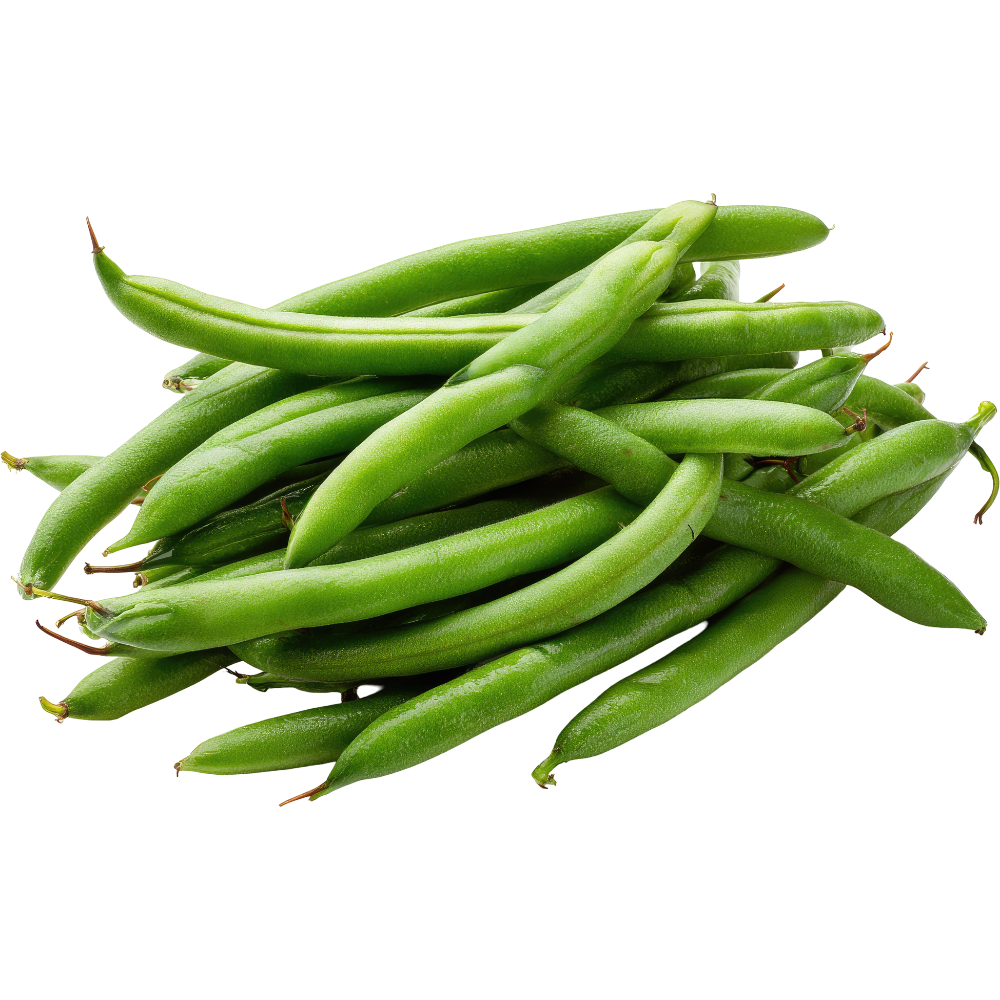
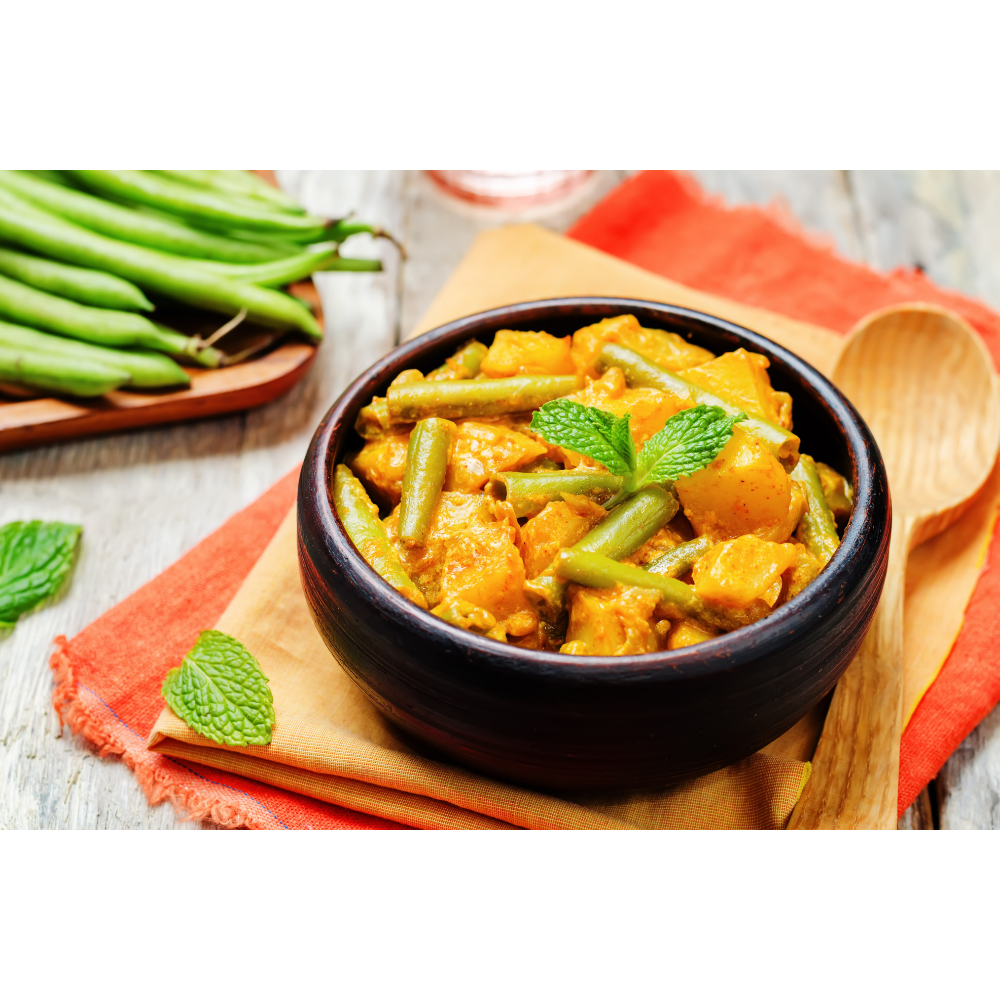
8. Green Beans

Green beans provide dietary fibre and several vitamins and minerals while adding texture to meals.

They work well in simple Indian preparations such as beans poriyal, vegetable curry, stir-fries and mixed vegetable dishes.

For a quick lunch, lightly sauté beans with spices and pair them with dal and rice or roti.


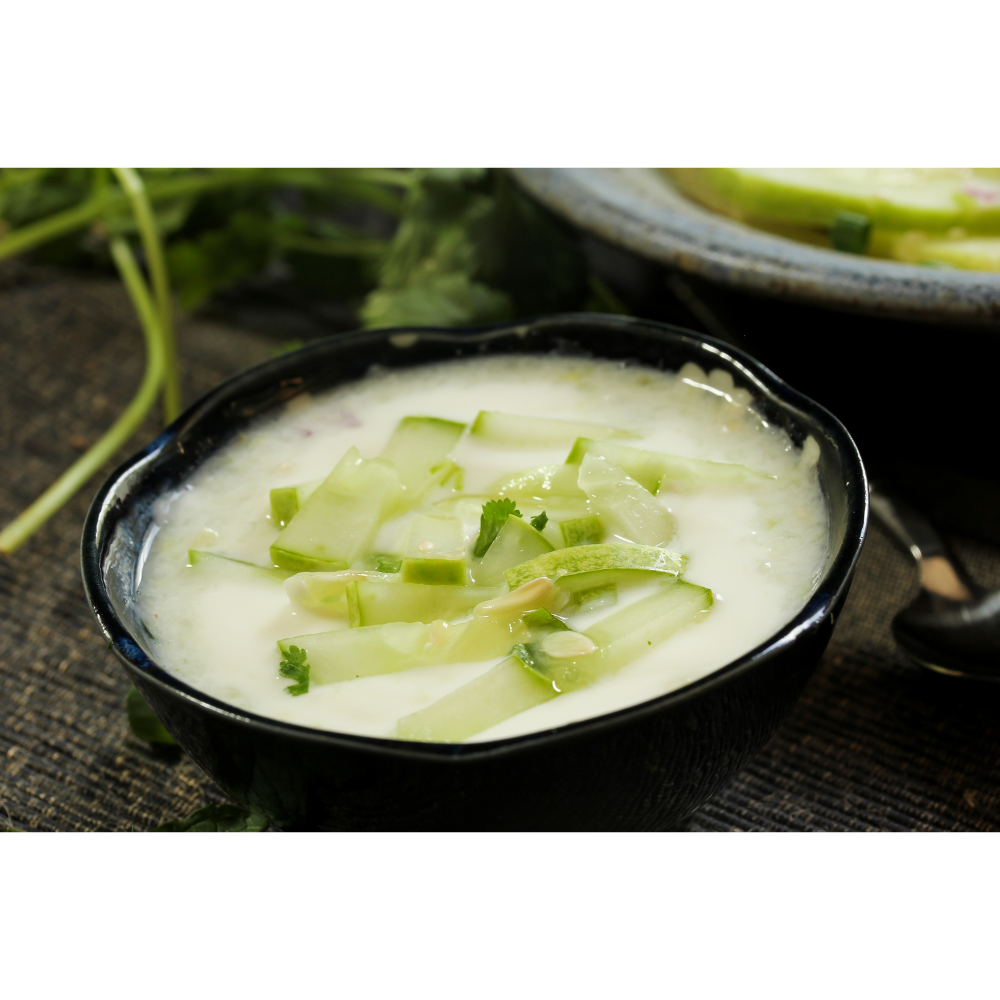
9. Bottle Gourd (Lauki)
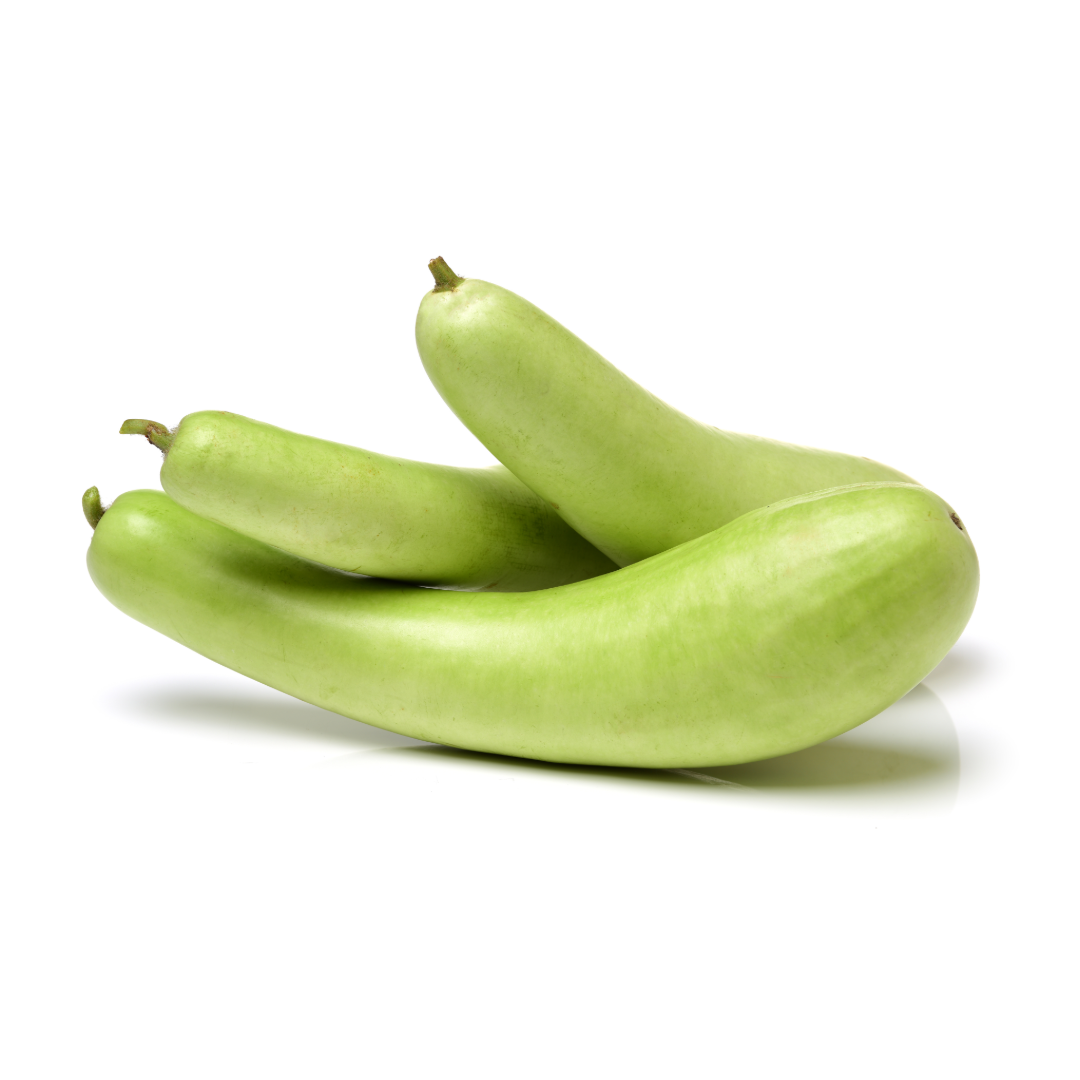
Bottle gourd is a familiar vegetable in Indian households. It has a mild taste and high water content, making it suitable for a variety of light dishes.

You can use bottle gourd to prepare:

  • Gourd dal
  • Bottle Gourd curry
  • Soups
  • Vegetable stews
  • Lauki based traditional dishes

Its mild flavour allows it to work well with Indian spices.


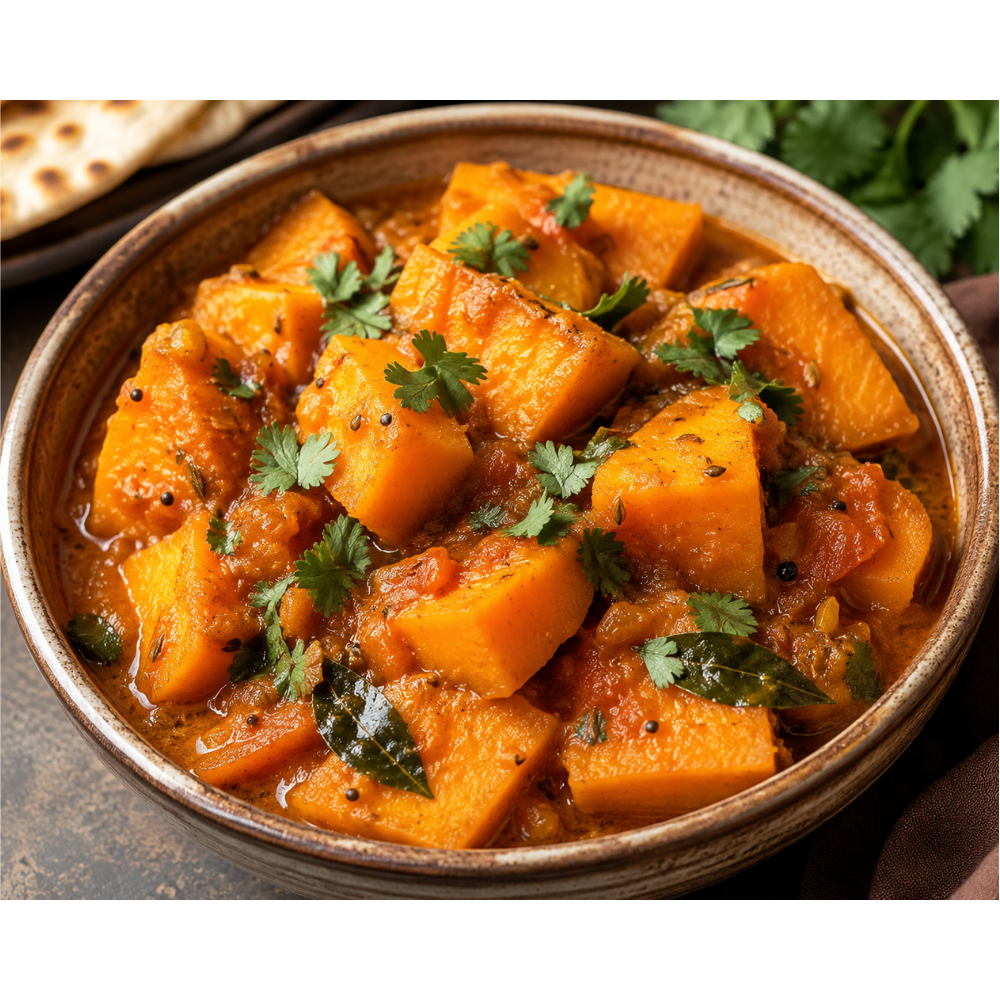
10. Sweet Potato
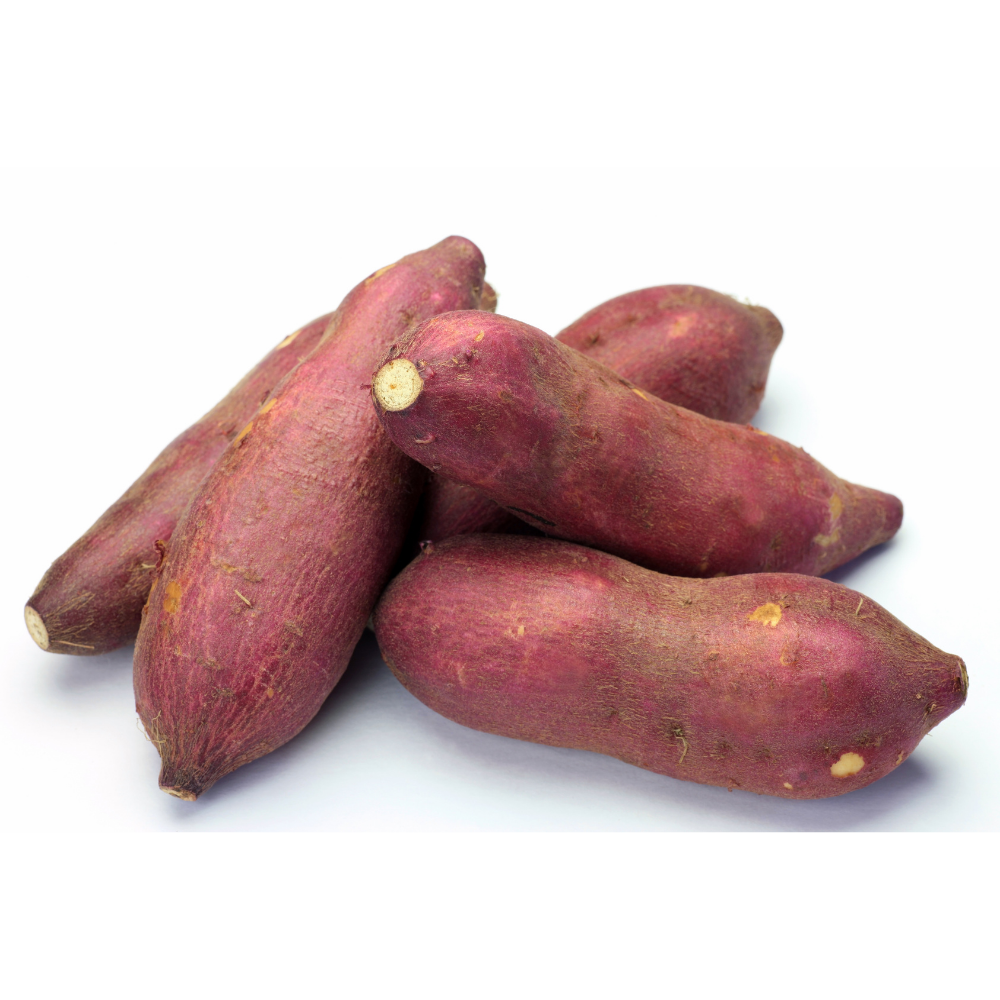
Sweet potatoes are a nutritious root vegetable that provides complex carbohydrates, fibre and beta-carotene, particularly in orange-fleshed varieties.

They can be boiled, roasted or baked and make a convenient addition to breakfast, snacks or meals.


Why Should You Eat Different Vegetables?

Eating the same vegetable every day may be convenient, but variety is important.

Different vegetables provide different combinations of vitamins, minerals, fibre and plant compounds. WHO recommends a diversified diet because consuming a variety of foods increases the likelihood of meeting nutritional requirements.

A simple way to add variety is to include vegetables of different colours:

Green: Spinach, beans, broccoli

Red: Tomatoes

Orange: Carrots, sweet potatoes

White: Cauliflower, bottle gourd

Yellow/Green: Capsicum

This makes your plate more colourful while introducing a broader range of nutrients.


How Many Vegetables Should You Eat Every Day?

There isn’t one exact vegetable quantity that works for everyone because dietary needs vary according to factors such as age, activity level and overall diet.

However, WHO recommends at least 400 grams of fruits and vegetables per day for people over 10 years old, as part of a healthy diet.

You don’t need to eat all 10 vegetables in one day. Instead, rotate different vegetables throughout the week.

For example:

Breakfast: Vegetable poha with carrots and capsicum

Lunch: Dal, rice or roti with spinach and cucumber

Dinner: Mixed vegetable curry with cauliflower and beans

This simple approach can make it easier to include a variety of vegetables regularly.

Tips for Eating More Vegetables

  • Add one vegetable to every major meal.
  • Keep fresh vegetables easily accessible.
  • Choose different colours throughout the week.
  • Include leafy vegetables regularly.
  • Try steaming, roasting or lightly sautéing vegetables.
  • Avoid overcooking when possible.
  • Buy vegetables according to your weekly meal plan.
  • Use seasonal vegetables for variety.

Final Thoughts

Adding vegetables to your daily diet doesn’t have to be complicated. Spinach, carrots, tomatoes, broccoli, cauliflower, capsicum, cucumber, green beans, bottle gourd and sweet potatoes are all versatile options that can fit into a wide range of Indian meals.

The key is variety rather than focusing on just one “super vegetable.” A balanced diet includes different vegetables, fruits, whole grains, pulses and other nutritious foods.

If you’re planning your weekly grocery shopping, choose a mix of leafy greens, colourful vegetables, root vegetables and seasonal produce to keep your meals both nutritious and interesting.


Frequently Asked Questions


1. Which vegetables should I eat every day?

There is no single list of vegetables that everyone must eat every day. A better approach is to eat a variety of vegetables regularly, including leafy greens, colourful vegetables and root vegetables.

2. What are the healthiest vegetables to include in a diet?

Leafy greens, carrots, broccoli, tomatoes, capsicum, beans and other nutrient-rich vegetables can all be part of a balanced diet.

3. How many vegetables should I eat per day?

WHO recommends at least 400 grams of fruits and vegetables per day for people over 10 years old. This total includes both fruits and vegetables, not vegetables alone.

4. Is it good to eat vegetables every day?

Yes. Regular vegetable consumption provides dietary fibre, vitamins, minerals and beneficial plant compounds and is an important part of a healthy diet.

5. Which vegetables are good for Indian meals?

Spinach, tomatoes, carrots, cauliflower, beans, capsicum, bottle gourd and many other vegetables work well in traditional Indian meals.

6. Are raw vegetables better than cooked vegetables?

Not necessarily. Both raw and cooked vegetables can be nutritious. The best preparation method depends on the vegetable and the dish. Avoiding unnecessary overcooking can help preserve some nutrients.

7. How can I eat more vegetables every day?

Add vegetables to breakfast, lunch and dinner, keep ready-to-eat vegetables available, and rotate different colours and varieties throughout the week.

8. Can frozen vegetables be part of a healthy diet?

Yes. WHO notes that fresh, frozen and canned vegetables can all be good choices, provided canned options don’t contain excessive added sodium.

0 Comments

Submit a Comment